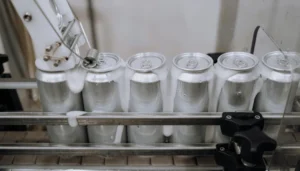
In the beverage industry, beverage cans are some of the most common packaging options. Soft drinks, energy drinks, fruit juices, and sparkling water are generally packaged in these cans for safety and durability. Being ever-increasing, the beverage industry necessitates understanding the beverage can manufacturing process. If you are looking to install a manufacturing space and co-packaging business, this can be helpful information for you.
At Ayuray Organics, we provide complete co-packing services, which include high-quality packaging such as aluminum cans. In this blog, we will explain the process of beverage can manufacturing in simple terms and discuss the steps involved in the process.
What is a Beverage Can?
A beverage can is a container that is made up of aluminum or tin-plated steel. It is used to store and distribute the liquid drinks. The cans are lightweight, easy to use, and 100% recyclable. Additionally, cans provide superior protection to the beverage that is stored inside.
Usually, cans are made with an aluminum sheet. Because of its lightweight, corrosion resistance, and eco-friendly features.
Steps in The Process of Beverage Can Manufacturing
1. Selection of Raw Material (Aluminum Coils)
The can-making process starts from finding the right and large aluminum sheet; these sheets are usually made from coils. These sheets are lightweight and corrosion-resistant. These sheets can hold the carbonated and non-carbonated beverages.
2. Cup Blanking and Drawing
The aluminum sheet is fed into a machine that cuts circular blanks. The process of forming a shallow cup from the sheet is called drawing. This is the first step in shaping the base of the can.
3. Redrawing and Ironing
The shallow cup is then pushed into the series of rings, which are called dies. These dyes stretch the ring and make it tall and thin. This stage is known as redrawing and ironing of the cans. It gives the can its final height and reduces the thickness of the wall.
4. Trimming The Can
When the can has its final height, the top edge still looks uneven. A trimming machine cuts the top to make it even, and it is an important part, as it helps to seal the lid later.
5. Cleaning and Drying
The can is washed properly to remove the oil, dirt, and residue after shaping. After that cans were dried and prepared for coating and printing.
6. Inside Coating
After that, the special internal coating is sprayed inside the can. This spray protects the beverage from reacting with the aluminum. This coating is important for food and drinks. Additionally, it helps to improve the shelf life of the beverage.

7. Outside Printing and Varnishing
This is where the brand name comes in. The outer surface of the can is printed with the logos, labels, and designs of the company. The high-speed printing machines require the proper design and finishing. A varnish coating is also added for the protection and shine on the can.
8. Necking and Flanging
The upper part of the can is slightly narrow, which is done in the process of necking. Then a flange (a small outward rim) is formed at the top to hold the lid properly.
9. Inspection and Quality Control
Every can goes through the quality check for the height, roundness, thickness, and coating accuracy. This process is important to ensure that the can has no leaks or deformities.
10. Palletizing and Shipping
All the quality checks are completed, and the cans are stacked, wrapped, and transported to the beverage filling plant. They filled, sealed, and prepared the can for delivery.
Why Are Beverage Cans Popular in The Market?
- Cans are lightweight and easy to carry anywhere. Additionally, they are ideal for consumption.
- Aluminum cans are 100% recyclable, and they are a sustainable option for packaging beverages.
- The cans provide excellent protection from the light and air. This protection helps to preserve the freshness of the drink.
- Beverage cans provide a wide surface for branding the logo and name of the brand.
Why are aluminium cans used in beverage packaging?
Aluminium cans are popular for soft drinks, energy drinks, sparkling water, juices and other ready-to-drink beverages because they are lightweight, strong, stackable and recyclable. According to the Aluminium Association, aluminium beverage cans are getting lighter, while still maintaining the strength needed to package and transport beverage products.
One of the essential features of aluminium cans is the internal coating of the can. The beverage doesn’t directly contact the aluminium. An internal lining protects the product and the can, which can be especially important for beverages with various acidity levels or formulations.
The shape of the can offers some practical benefits as well. Its stackable design can improve efficiency in storage and transport, and the large printable area of the can provides lots of space for branding, labelling and other required information.
Aluminium can facts for beverage packaging
Here are some handy facts on aluminium cans in beverages:
Highly recyclable: aluminium can be recycled multiple times with no compromise to its innate properties. The Aluminium Association points to aluminium cans having a circularity advantage.
Quick turnaround cycle: research from the Aluminium Association and the Can Manufacturers Institute (2025) revealed that used beverage cans in the US take fewer than 60 days to complete the cycle from the recycling bin to a new can.
Can packaging in beverages: aluminium cans can be used for carbonated and non-carbonated beverages, including water, soft drinks, juice, tea and tonic beverages.
Lightweight packaging: aluminium cans offer a stackable, lightweight packaging solution that can help with transportation and storage.
A large branding area: the exterior of the can provides plenty of space for brand, product, logos and regulatory information.
Common single-serve size: Ayuray Organics currently offers a 250 ml slim aluminium can as the standard can size, though other sizes can be used subject to MOQ.
From Can Manufacturing to Final Product
For a beverage brand, the production of the empty can is just one step of the packaging journey. The beverage formula needs to be created, processed, filled, sealed and tested.
Ayuray Organics supports beverage production and co-packing to unify these stages. The contract manufacturing services include formulation, ingredient procurement, pilot runs, filling, packaging and quality assurance.
Through this process, starting from the formula, a beverage can move to can filling, sealing, branding and packaging with a simple manufacturing flow. Ayuray offers a 250 ml slim aluminium can as the standard option, though packaging specifications and MOQs are specific to each project.
Such a process can help startups, FMCGs and other beverage brands get a product to market efficiently, without the need to develop their own beverage production and packaging capacity.
Why Can You Trust Ayuray Organics For Manufacturing Beverage Cans?
We help beverage brands bring their products to the market with ease. If you are launching an energy drink, sparkling water, or fruit juice, we can provide you with a reliable packaging option. We offer full support in Can filling and packaging to our clients. Additionally, we work closely with our clients to provide them with the right packaging according to their products.
Here are our services:
- We provide beverage formulation and R&D.
- We have high-speed can-filling equipment.
- We provide personalized labeling and branding.
- Reliable sealing technology
- Lab testing and quality assurance of products
- Small- and bulk-batch production options
Advantages of Choosing Ayuray Organics for Can Manufacturing
- We have a trained team that properly manages every step of the filling-to-co-packing procedure.
- We have strict rules for hygiene and quality standards according to the regulatory bodies.
- Additionally, we provide customized packaging to increase the brand image and target audience.
- Competitive fees for start-ups and growing beverage brands.
- Production and delivery services to match your launch schedule.
Final Thoughts
We have provided proper information about how beverage cans are made. We have mentioned every necessary step, from raw materials to the final product. Ayuray Organics makes sure that the can is safe, long-lasting, and made to engage the customers. The can continues to be a leading choice for beverage corporations worldwide, despite growing demands for eco-friendliness and portability.
At Ayuray Organics, your expertise, innovation, and quality go alongside our beverage can filling and co-packing services. We give brands being launched as well as already established ones, support to grow efficiently through high-quality can packaging solutions.
Frequently Asked Questions (FAQs) About Beverage Can Manufacturing Process
Q1. Can we consider aluminum cans safe for beverages?
Yes, aluminum cans are safe for the packaging of beverages. They are coated with a food-grade lining to protect them and prevent any reaction from taking place between the beverage and the exposed metal.
Q2. Does Ayuray Organics provide custom beverage can filling services?
Yes, we fill, seal, and label custom cans for different beverage types.
Q3. What is the minimum order quantity (MOQ) offered by Ayuray Organics?
We provide everything from small to bulk batches. Contact our team for details concerning your product’s specific MOQ.
Q4. What is the time for the manufacturing process?
The time taken to complete the manufacturing process depends on the quantity of the order. Additionally, it takes about 2 to 4 weeks, depending on batch size and level of customization.
Q5. What is the process of can manufacturing?
Can manufacturing involves shaping aluminium into the can body, can forming, can trimming, can washing, can coating, can printing, can shaping, necking and inspection before the cans are ready for filling with the beverage.
Q6. What is the material used for can manufacturing?
Most cans are manufactured from aluminium because of its lightness, strength, formability and recyclability. The can also features a protective internal coating to isolate the product from the aluminium.
Q7. How is a can made for a beverage?
The aluminium material is formed into a can body and subjected to forming and ironing operations before it is trimmed, washed, coated, printed and shaped around the neck and opening. The cans then undergo quality testing ahead of being shipped for filling.
Q8. How is can manufacturing different from can filling?
Can manufacturing involves the making of an empty container, while can filling involves putting a product into a finished can and preparing it for distribution.


