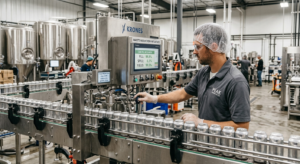
If you own a canning line, you know what a lot of waste can add up to. A missed beer or soda or juice can, a few lost cans from a sticky valve or bad seam in the can, a strange taste that means a whole batch has to be thrown out, you will never spot the cost in an individual case. But over a year, it adds up to a big hit.
The good news is that most of beverage production waste can be avoided with a few simple changes in habits.
Here’s where waste comes from and what you can do about it.
Know Where Waste Comes From
You can’t improve what you don’t see. A lot of plants aren’t aware of their waste until something major occurs, such as an entire pallet of cans being rejected. But those little losses occur just as rapidly.
Begin Logging: Grab a clipboard or a shared google doc. Have a log for each shift. Log every can disposed of and why. Write down empty cans, liquid, dented cans. After a couple of weeks you will begin to see patterns, are most dented cans from a particular time of day? Is a certain filler valve producing the majority of can be underfilled? Now you know what to fix first.
Minimize waste at the beginning of the run
Plants typically shed most of their production during startup and changeover. The line isn’t fully operational, settings are still being set and the first cans produced will most likely be defective.
Here’s a few ways to cut losses:
Do a startup list: Check seamer, set your filler, turn on the conveyor, before filling any cans. The empty cans are inexpensive to fix.
Empty cans first: Ensure cans flow freely and do not cause jams.
Note the proper settings: Keep a note of the filler speed, pressure, and seamer settings so your next run begins from an already-achieved position instead of a blind attempt.
Plan ahead: Changeover time is saved when you change from the mild to the stronger flavour rather than vice versa. The more cans saved per changeover, the more you keep saving for your next batch.
A bit of prep work during changeovers may save hours and hundreds of thousands of dollars in lost revenue.
Ensure Correct Fill Level
Most of the time the customer will lose drinks at the fill level. Too much product in the can equals giving away free product, too little and you may reject cans and make unhappy customers.
Just the fraction of an ounce per can adds up. Add a little more to each can you make and you’ll notice the impact on your bottom line.
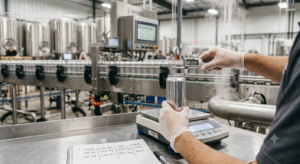
A few tips:
Test fill levels throughout the shift: Grab a few cans of the line throughout the shift and check fill level.
Maintain Clean Filter: When you get dried-on syrup on a valve, it messes up the fill.
Temperature Check: Cold drinks do not foam as much and hold their gas better. Hot drinks foam up and foam over, leading to spills and underfilling.
Keep the pressure level stable: Pressure changes the fill levels, including if tank pressure increases.
Foaming tends to happen more with carbonated beverages. If your cans are continually foaming out, it is probably due to too high of a filler speed, the cans are too warm, or too much beverage is flowing into the can.
Maintain the Seamer
The seamer locks the lid onto the can. If the seam crimps, the can can leak, go flat, or spoil. This will cause the entire can to be lost.
The cheapest way to verify just a couple of dozen cans at a time is to check every few hours. It takes a little time, but it costs nothing compared to handing out a pallet of leakers.
Some additional tips:
Maintain seamer equipment: The general rule is that uneven rollers will weaken a seam.
Train the team to see and hear: Often, you’ll hear before you see the numbers that the seamer isn’t quite right.
Fix the little things: Always address a positional creep as soon as it begins, rather than waiting until the numbers magnify into a crisis.
Handle Cans Carefully
Much of the wastage is not due to a malicious drinker, it comes from damaged cans. An empty can is flimsy and light so dents quite easily.
Dents when the line jams, they get pushed into each other or fall over.
Here are a few tweaks:
Check the conveyor guides: Can jams and can tipping can occur if the conveyor guides are either too tight or too loose.
Ease the transition: If there is too wide of a gap or a sudden rise in height at the point where two conveyors come together, cans can fall.
Safeguard your empty cans: Don’t let your pallets be contaminated with water; dirty and damaged pallets lead to issues downstream.
Just walk the line occasionally, and you’ll notice a lot of things reports don’t.
Catch Problems Before Cans Leave The Plant
Some waste doesn’t become apparent until later. A can that appears perfect on the line can swell in storage, or a drink can separate or lose its colour on the shelf. By then, the entire batch might be affected.
That’s why testing is important. Test each batch before it ships and test some cans from each run. Solid labs test the beverage in addition to the can. Testing things such as pH, carbonation, and microbial safety early on will prevent you from a recall which is the most costly form of waste there is.
Small brands generally don’t have their own lab and creating one can be expensive. That’s one reason many of them opt to partner with a manufacturer.
Ayuray Organics, a beverage can manufacturer in India, has its own in-house lab testing facilities parallel to its manufacturing lines. Having test results in the same location as the line enables defects to be identified and corrected before an entire run is lost.
Reuse What You Can
You don’t have to discard every bit of waste. Many can be saved and reused.
Split or rejected product at the filler may be re-collected and put back into the process, if it remains free of contamination and conforms to safety standards. Consult your own food safety plan before returning, and follow current local regulations.
Losses also come from rinse water. Rather than flushing any remaining drink down the drain, some facilities force rinse water through the pipes in a more measured way to recover more of the beverage. Others have pipe-cleaning devices called pigs that travel through the pipes to keep them clear.
Rejected cans, auxiliary caps and other packaging should be disposed of in recyclable garbage. Aluminum is recyclable, and scrap to be recycled is also willing to be given to the world with money.
Train Your Team
Machines matter; it’s people that matter most. Operators who know why waste occurs will discover issues sooner. Operators who have been simply told to run the line will not.
Great training doesn’t have to be complex:
- Illustrate for people what waste adds up to in plain numbers.
- Let them suggest. The person in the filler every day probably knows the best fix.
- Share results. If the waste was reduced for the month, share with your team and thank them.
If people believe they are part of the solution, waste will drop faster than any machine can manufacture it.
Stay On Top Of Maintenance
One of the biggest causes of waste is worn or broken equipment. Leaking valves, a frayed belt or an ageing sensor can be wasting product every day.
Don’t wait for equipment to fail. Perform regular maintenance, and do regular, scheduled checks of valves, seals, sensors, and belts. Keep spare parts for the items that fail most often, so you’re not down for days just waiting on that one tiny part.
It seems like downtime when you schedule maintenance, but it’s always more expensive when you get an unplanned breakdown.
Easy Tech, or Share The Tech Of Others
You don’t need the most expensive equipment to reduce waste, but there are a few things that you should look at.
- Vision systems that automatically check fill levels and catch damaged cans.
- Flow meters that measure exactly how much liquid is going into each can.
- Sensors to identify an issue early on, whether that’s a pressure change or temperature swing.
These can provide early warning signs, giving you a head start on addressing issues before you lose a lot of product. The only trick is the price tag. For a startup or emerging brand, buying a complete canning line, a lab, and a trained crew is a large gamble. That’s where contract manufacturing and co-packing come into play.
A partner that already has the equipment and the trained operators can remove a lot of that risk and learning curve. Ayuray Organics offers contract manufacturing, savvy co-packing, and private labelling for canned beverages in aluminium cans, and we are ISO 9001:2015 and ISO 22000:2018 certified. If you are launching a beverage and don’t want to learn the hard lessons about waste on your own, ask a team like this.
Contact Ayuray Organics
Address: SCO 859, NAC Manimajra, Chandigarh 160101
Contact: +91 7087961144
Email: ayurayindia@gmail.com
Conclusion
There’s no silver bullet to reduce beverage production waste. It’s all in the details. Record your losses, show a little love to your equipment, treat the cans with care, verify early and often, and educate your team. You can tackle one or two of these today. Perhaps your checklist of things to do today can include an improved startup list, or more regular seam inspection. When those are working, add the next one. And if running your own line isn’t quite the right fit for your brand yet, a good manufacturing partner can take much of this off your plate. And reducing waste has the double benefit of being good for your wallet too. Once you start paying attention to it, it’s amazing what you can save.
Frequently Asked Questions
What is the biggest source of waste in a beverage canning operation?
It depends on the plant. Every plant is different, but typically causes are startup and changeover waste, poor seams, damaged cans, and overfilling. Keep track of waste for a couple of weeks to see what’s the most common cause.
How frequently should I check on can seams?
We recommend a full seam check every few hours, plus one after each jam, repair, or changeover. If your numbers seem to be drifting, check more frequently until things settle down.
Why does my fizz drink foam all over the place at the filter?
The most common culprit is a warm drink, since pressure and fizz will come out of solution much faster in warm liquid. Other reasons can be an overfilling filler, unstable tank pressure, and rough can flow.
How big of a deal is an overfill of a few millimetres?
Those few extra millimetres look inconsequential, but doing that in a few hundred thousand cans adds up to a lot of unpaid-for drink.
Can I repackage a drink I knocked over or rejected?
Possibly, but as long as it is untainted and your food safety program permits. Policies differ by product and region. Always consult your quality procedures and local policies first.
How do I reduce my losses during changeovers?
Create a flavour sequence that goes from light to dark, weak to strong, use a changeover checklist, and always record what was working in your best runs so you can start there.
Why do I sometimes get bulged cans and a different colour to the beer in the can after packaging?
Can-seal failure, some defect in the recipe, or microbial contamination. Each lot needs to be tested.
Should a new beverage start with its own filling line?
Not always. A line, lab, and team cost a lot of time and money. Many new brands begin with a contract manufacturer or co-packer, and then decide whether to make the move in-house at a later date.
Where should a small-scale plant start?
Just choose a couple of low-hanging fruit improvements to make this month. For example, a waste log and a startup checklist are quick wins. Then keep going!


