Did you know that drinks have their own pH levels? These pH levels actually affect how the drink tastes and feels. It may taste according to its pH levels. pH levels also matter in how the drink affects your body. Acidity plays a big role in every sip you take.
pH doesn’t just affect the flavor; it also influences the safety of a beverage. You get smarter after understanding pH levels. This way, you can make the right choices with what you drink.
This blog works as a guide on how pH levels in beverages matter for taste and safety.
What Do the Numbers Say? Key pH Statistics You Should Know
pH Ranges of Common Beverages:
- Sodas: pH 2.3–2.7
- Fruit juices: pH 3.0–4.0
- Sports drinks: pH 2.9–3.5
- Coffee: pH 4.8–5.5
- Tea: pH 5.5–6.5
- Milk: pH 6.5–6.8
Source: PMC
Safety & Food Preservation Threshold:
A pH of 4.6 is the critical cut-off according to the FDA. Bacteria cannot grow below this level.
Source: FDA
Oral Health & Enamel Protection:
Tooth enamel begins to demineralize at pH ~5.5. This makes acidic drinks more erosive.
Source: MDPI
High-Acid Intake & Immediate Saliva Drop:
Saliva pH can drop from 7.1 to around 5.6 with soda. This increases enamel risk.
Source: MDPI
How Do pH Levels Influence the Taste and Quality of Popular Beverages?
pH plays a big role in how beverages taste. They can smell different with different levels of it.
Lower pH
Drinks with low pH values are more acidic. This makes them taste more intense. The taste is also sharper than those with high pHs.
Low pH is found in:
- Sodas
- Citrus juices
- Sports drinks
Higher pH
Drinks with high pH taste more smooth. The taste is less harsh because of less acidity.
This is found in:
- Teas
- Milk
- Alkaline waters
Acidity affects flavor clarity
Too much acidity can overpower the flavours. Balanced pHs are the right choices. This is because they allow natural sweeteners to come through. Aroma is also much better in these drinks.
pH influences mouthfeel
Highly acidic drinks can feel highly bitey in your mouth. Balanced pH levels are more rounded. They offer a pleasant mouthfeel.
Quality and freshness depend on pH
Drinks with controlled acidity maintain:
- Stable flavor
- Better color
- Longer shelf life
Even small pH changes alter taste
Your coffee may taste smoother with a slightly higher pH level. Lower pHs make it brighter as well.

Why Are Safe pH Levels Important for Preventing Contamination in Drinks?
Acidity controls bacterial growth:
You’ll be safe from bacteria such as Clostridium botulinum, which cannot grow in drinks with a pH below 4.6.
pH acts as a natural preservative:
- Acidic drinks like citrus juices don’t spoil fast. Low pH slows microbial activity.
- Protects consumers from foodborne illnesses:
- This lessens the risk of contamination.
- Critical for product shelf life
Drinks with monitored acidity last longer. Artificial preservatives don’t play a role here.
Helps regulate fermentation and stability
You also support the growth of beneficial fermenting organisms. This happens when you keep the pH in the right range. This avoids unwanted contaminants. This is good for a:
- Stable
- Predictable
Industry safety standards rely on pH
The FDA classifies drinks with a pH ≤4.6 as “acidic”. This allows safer:
- Storage
- Handeling
What Are the Oral Health Risks of Acidic Drinks?
- Tooth Enamel Erosion
- Increased Vulnerability Due to Buffer Capacity
- Demineralization of Dentin
- Reduced Protection from Saliva
- Risk to Dental Restorations
- Long Term Wear & Sensitivity
Conclusion
Did you know how pH levels in drinks affect you? The safety of these drinks heavily depends on that. Low pH levels in drinks make them taste sharp. Higher pH can feel smoother in drinks.
FAQs
Q – Why do pH levels matter in beverages?
A – pH levels matter in beverages for your safety. The levels show how much harmful bacteria there are in the drink.
Q – How does pH level affect taste?
A – pH level affects taste with different levels of it. It creates sourness in acidic solutions. High pH levels can make the drink taste bitter.
Q – What is a pH level?
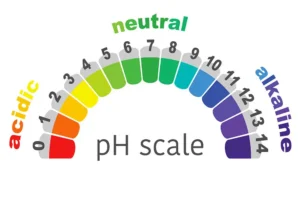
A – pH measures how acidic or alkaline a substance is.
Q – What makes high pH water taste bitter?
A – This is because they contain minerals like calcium. This improves the taste of alkaline water.
Q – Which taste is sensitive to pH?
A – Sourness is the taste here that’s sensitive to pH. This taste detects the acidity of the food as well.
Q – What does drinking high pH drinks do to you?
A -Drinking high-pH water may increase potassium levels in your blood, a condition known as hyperkalemia.
Q – What is a good pH level?
A – The FDA finds a pH of 4.6 or below good.