The drink sector has seen a huge increase in production in the past ten years. The consumers have gained more options than they ever had before. The range covers sparkling soft drinks, fresh juices, and herbal drinks, and all of them have different tastes and experiences. One of the major debates in the world of drinks these days is about the distinction between carbonated and non-carbonated drinks. Each type of beverage has its own benefit, applications, and audience, which is especially true for the brands that choose to produce drinks together with companies such as Ayuray Organics.
In case you are interested in knowing how these two drink types are different, then follow this blog for more information.
What Are Carbonated Drinks?
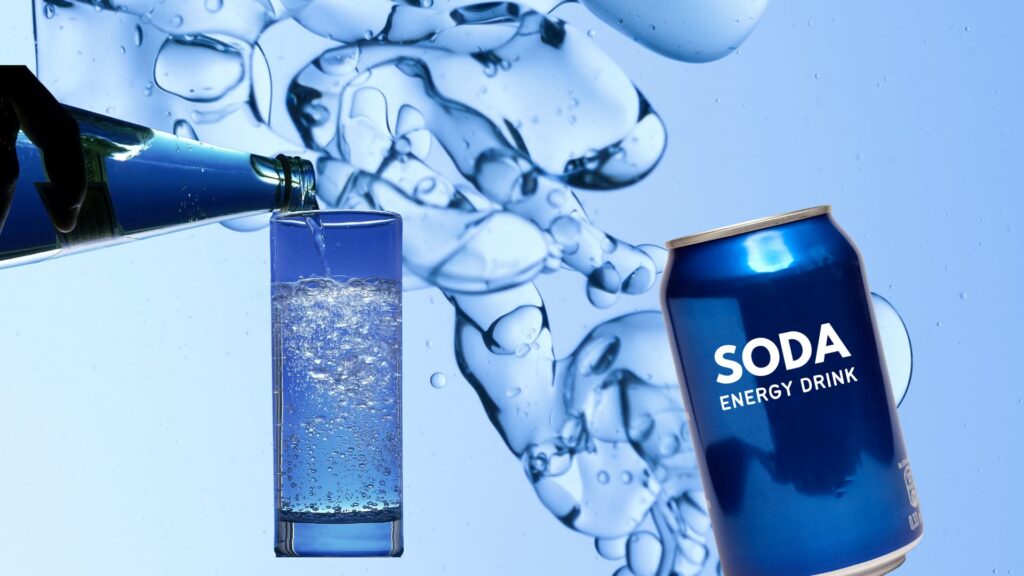
Carbonated drinks are drinks in which carbon dioxide (CO₂) has been dissolved. When the gas is released by opening a bottle or a can, bubbles can be seen going up to the surface. This lively and fizzy feeling is the characteristic that mainly distinguishes carbonated drinks. A few examples are:
- Soft drinks like cola, lemon soda, and orange soda
- Sparkling water
- Energy drinks
- Carbonated flavored beverages
- Kombucha (naturally fermented carbonation)
Why Are Carbonated Drinks Popular?
The main reason carbonation is so common is the refreshing feeling it gives to the drinks.The light burning or tingling sensation in the mouth adds to the experience. Moreover, the fun and aroma of fizzy drinks are attractive for all ages because of their wide range of flavors.
Carbonated and Non-Carbonated Drinks: Key Differences
The two types of drinks have their own distinctive characteristics. Below is an easy comparison:
1. Texture and Drinking Experience
The experience of drinking carbonated beverages is accompanied by a fizzy and bubbly feeling. On the other hand, non-carbonated beverages give a feeling that they are smooth, steady, and calming.
2. Taste and Flavour Profile
Carbonated drinks can enhance the perception of flavor and make beverages feel more refreshing. They can make the drinks look fresher. Non-carbonated drinks keep the taste really pure and natural.
3. Shelf Life
Most carbonated drinks have a longer shelf life because carbonation acts as a mild preservative.
The case of non-carbonated drinks is not the same, as they require either pasteurization, use of natural preservatives, or refrigeration, depending on the ingredients.
4. Packaging Needs
The strong bottles or cans used for carbonated beverages are able to withstand internal pressure. Non-carbonated beverages, on the other hand, do not require pressure-resistant packaging, which allows more flexibility in their production.
5. Health and Nutrition
Non-carbonated beverages are usually perceived as healthier, especially when made from clean, organic, or herbal ingredients. Carbonated drinks can be loaded with sugars, flavors, and acids, but there are still many sugar-free choices available nowadays.
What Kind of Beverage Is Healthier?
There is no clear winner between fizzy and still drinks. The ideal option varies depending on the individual’s requirements.
Choose Carbonated Drinks If You want:
- A refreshing and bubbling experience
- More pronounced tastes
- A playful drink
Choose Non-Carbonated Drinks If You want:
- Healthier, natural, or herbal drinks
- Gentle, soothing drinks fit for everyday consumption
- Non-carbonated drinks are mainly the preferred option for health-centric consumers.
How Ayuray Organics Helps in Both Categories?
Ayuray Organics offers its services to the beverage industry, especially to the brands making carbonated and non-carbonated drinks. We manufacture drinks with safe, clean, and modern production methods.
The support provided by us to the brands includes:
- Beverage formulation
- Ingredient sourcing
- Smart co-packing services
- Recipe development
- Testing, stability, and R&D
- Scalable manufacturing
- Regulatory support
At Ayuray Organics, we offer complete solutions for both categories. If you are interested in coming out with a bubbly energy drink or a natural herbal tonic.
Final Thoughts
In the market, both carbonated and non-carbonated beverages hold an important position. The carbonated category provides a joyful and lively experience, and the non-carbonated category focuses on health, hydration, and the purest tastes of nature. The trend of functional drinks is growing, and our role is to support brands in developing quality beverages that meet modern consumer needs. We can guide you in the right direction for your product line in case of selecting the category.
Frequently Asked Questions (FAQs)
1. What is the difference between carbonated and non-carbonated drinks?
The main difference between carbonated and non-carbonated drinks is that carbonated drinks are the ones that have carbon dioxide gas dissolved in them, which creates the fizz. The non-carbonated drinks are just regular water or other drinks without any bubbles.
2. Are carbonated drinks harmful?
Carbonated drinks are not harmful, but there are exceptions. Excessive consumption of sugary drinks that are carbonated can be really unhealthy. But drinking sparkling water or even naturally fermented carbonated drinks can be a healthy habit if done in moderation.
3. Which drinks are good for your health?
When it comes to the health aspect, non-carbonated drinks are always a good option.
4. Are carbonated drinks beneficial for digestion?
Light carbonated drinks, such as sparkling water, can help in the digestion of some people, but the effects differ from person to person.
5. Is it possible for carbonated drinks to become flat?
The moment the package is unsealed, the carbonated drinks gradually lose their CO₂ and lose their fizziness.
6. What are the most common non-carbonated drinks?
Juices, smoothies, iced tea, herbal tea, sports drinks, and dairy or plant-based milk are among the most popular non-carbonated drink choices.