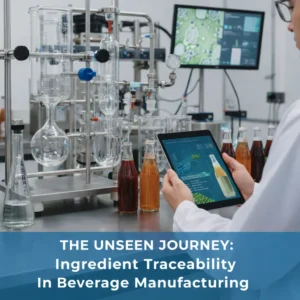
Ingredient traceability isn’t just a nice-to-have now. It matters more than you may think in today’s changing beverage industry. With this transformation, consumers now want transparency. They want confidence in what they drink. From sourcing raw materials to delivering the final bottled product, everything matters.
It doesn’t matter if it’s a fruit juice, a traditional herbal drink or even a chilled coffee, things are changing. You should understand how important knowing the origin and journey is. That’s exactly where ingredient traceability in beverage manufacturing comes into play.
For Indian Beverage manufacturers, it’s no longer about meeting the standards. You need to earn the trust to stay in this competitive and evolving market.
Why Ingredient Traceability Is Important for the Indian Beverage Industry
Indian consumers are now more knowledgeable than ever. They are actually reading the labels. It is common for them to question the sources and demand consistency. Remember that beverage companies are also affected by stricter food safety regulations. The call to meet international standards just keeps going up and up.
Now, want to know what bridges this gap? Ingredient traceability. This is what makes manufacturers maintain control over their supply chain. Also consumers don’t have to worry about quality in every bottle they drink.
What the Numbers Say
There’s no doubt about how important traceability is when you look at the industry data.
Remember, the food traceability market in India had a value of about USD 736.8 million in 2023. It is actually projected to reach about USD 1,776.1 million by 2030. You should know that the CAGR is about 13.4%. This is indicative of the increasing importance of food safety and supply chain accountability. Source:Grand View Research
What Are The Benefits Of Ingredient Traceability In Beverage Manufacturing?
Stronger Food Safety and Ingredient Control
Beverages actually depend on multiple ingredients. These include water, fruits, botanicals, sweeteners, and functional components. Always keep in mind the risk there is if even one ingredient is compromised. The entire product could go at risk here.
Things become much easier with ingredient traceability. Manufacturers can just track each input back to its source easily. This is how you can check issues early so that your consumers only get safe products.
Consistent Beverage Quality Across Batches
Consistency builds brand loyalty. Consumers are’t changing what they expect from your product. They look for the same taste, texture, and quality even if they buy now or months later.
This is where the importance of raw material traceability comes into play. Manufacturers are able to track the differences in ingredients and suppliers. This is how you can ensure quality in every batch.
Faster, More Accurate Product Recalls
No manufacturer actually plans for a recall, but you need to be prepared.
With ingredient traceability, you get targeted recalls. This identifies affected batches instead of pulling entire product lines. This is how you can save time and also reduce the financial losses. You can also protect the brand reputation.
Easier Compliance with Indian Food Safety Regulations
Food safety regulations in India become more structured with time. They put more and more focus on documentation and batch records. Supplier accountability is also gaining the limelight.
Ingredient traceability here supports compliance with FSSAI guidelines.They also help manufacturers stay audit ready and also maintain smooth operations.
Greater Consumer Trust Through Transparency
Modern consumers are the ones valuing honesty. They want brands that are open about sourcing and production practices.
Ingredient traceability is what makes it possible to communicate about it all.You can share how where ingredients come from and how products are made. This transparency strengthens consumer trust and brand credibility.
Reduced Waste and Improved Operational Efficiency
Traceability is not just about compliance in this case. It does a lot more. It increases the efficiency of the operations.
You can trace the ingredients properly, and the manufacturers can manage their inventory properly.
In the long run, you will be able to reap the benefits of cost savings and sustainable operations.
How Does Ingredient Traceability Work In Practice
You can get traceability in beverage manufacturing in different ways. This is possible using a combination of systems and tools like:
- Batch and lot tracking
- QR codes and barcodes
- Digital supplier records
- Cloud-based traceability platforms
- Quality and compliance documentation
Together, you get end to end traceability from these systems. This way, every ingredient can be easily tracked throughout the supply chain.
Conclusion
With the expanding Indian beverage industry, people expect more and more. Consumers now want quality and transparency in their drinks. This is where ingredient traceability comes in, with which manufacturers stay ahead. Do more than just comply with the rules. You have to build long-term trust with partners and customers.If you look at the long term, traceability is really not just about tracking the ingredients. In this case, you have to build stronger brands and safer products. This beverage supply chain is much more reliable.
Frequently Asked Questions
Q – What is ingredient traceability in beverage manufacturing?
A: That is the process where raw materials used in beverage manufacturing are traced.
Q – What is the importance of ingredient traceability to the beverage industry in India?
A: It encourages compliance with regulations and ensures food safety. It also boosts customer confidence and improves quality.
Q – How does ingredient traceability improve the quality of beverages?
A: It does so by monitoring the batches and suppliers of ingredients. Manufacturers can forecast changes for a better supply.
Q – Does FSSAI compliance benefit from ingredient traceability?
A: Yes. With traceability, you get:
- Transparency
- Monitoring
- Proper documentation
Now Indian food safety authorities are actually focusing on them more and more.
Q – What technologies are commonly used for traceability of ingredients?
A- Batch traceability systems are used by beverage manufacturers, including:
- QR codes
- Barcodes
- Cloud-based solutions
- Digital quality management solutions
Q – How does traceability of ingredients help in gaining consumer trust?
A- This happens when manufacturers are able to give a clear description of the origin of the ingredients and the production process. Customers feel more confident about the product.