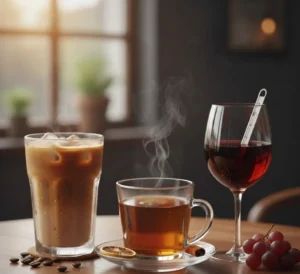
Temperature is overlooked in how drinks taste. Beverage taste is actually different with the temperature. This includes an aroma release to sweetness perception. It is also involved in digestive impact. Temperature control plays a role in shaping flavor. It affects the mouthfeel of your every day. The overall enjoyment is because of temperature. Did you know it is traditional wellness principles? Understanding beverage temperature can help consumers. You can experience drinks at their best.
This guide explains how temperature affects beverage taste. We explain the nutrition and sensory balance. This is done without changing the core ingredients.
Stats & Research: Temperature and Taste Perception
Aroma compounds become more volatile at higher temperatures. This increases flavor intensity. Source: NCBI
Sweetness perception decreases in cold beverages. Source: ScienceDirect
Why Temperature Matters for Beverage Taste and Flavor Perception
Temperature actually affects your taste buds. It changes the aroma receptors that respond to a drink. It’s largely driven by smell. Temperature controls how aromatic compounds are released.
Key effects of temperature on taste include:
- Warmer liquids release more aroma compounds
- Cold temperatures suppress sweetness perception
- Bitterness feels sharper when chilled
- Mouthfeel changes with temperature
- Temperature influences digestive comfort
Because of this, the same beverage can taste different. This depends on how it’s served.

How Cold and Hot Temperatures Change Beverage Flavor Profiles
Effects of Cold Temperatures on Beverages
Cold drinks are refreshing when drinking. But lower temperatures can have less aroma. This can mute flavor complexity.
Common effects of cold drinks:
- Reduced sweetness perception
- Muted herbal notes
- Increased sharpness of acidity
- More bitterness
- Crisp mouthfeel
This is why chilled beverages have stronger flavors. Added sweetness is there to compensate.
Best suited for:
- Infused waters
- Cold brew herbal infusions
- Light fruit based drinks
Effects of Warm and Hot Temperatures on Beverages
Heat enhances aroma in drinks. This increases the flavor intensity for you. Even without added sugar, it tastes good.
Benefits of warm beverages include:
- Enhanced aroma
- Better complexity
- Naturally increased sweetness
- Fuller body
- Smoother mouthfeel
- Less bitterness
- Improved comfort during digestion
Warm temperatures are especially effective for:
- Herbal
- Spice based
- Botanical beverages
Ideal Beverage Temperatures for Taste and Balance
Different temperature ranges change beverage performance. Their intended flavor is changed by too hot drinks. Too cold drinks can also affect the flavor.
Recommended temperature ranges:
Herbal teas: 60–70°C (140–158°F)
This offers:
- Balanced aroma
- Smooth taste
- Comfortable sipping
Delicate herbal or green blends: 50–60°C (122–140°F)
This preserves:
- Subtle flavors
- Antioxidants
Infused waters and cooling drinks: 8–12°C (46–54°F)
It is refreshing without muting flavor completely.
Extremes can reduce both:
- Taste clarity
- Digestive comfort
How Temperature Influences Sweetness, Bitterness, and Acidity
Taste perception changes with temperature:
- Sweetness
- More pronounced at warmer temperatures
- Reduced in cold beverages
- Bitterness
- Becomes stronger when cold
- Softens when warm
- Acidity
- Feels sharper when chilled
- Tastes smoother at moderate warmth
This explains why a balanced warm drink feels flat. This is why it tastes sharp when cold.
Impact of Temperature on Nutrition and Bioavailability
Temperature doesn’t just affect taste. It also impacts nutritional quality.
Key considerations:
- Extra heat can degrade:
- Vitamin C
- Some antioxidants
- Heat sensitive phytonutrients
- Extra cold drinks may:
- Slow digestive enzyme activity
- Reduce nutrient absorption temporarily
Controlled temperatures help:
- Preserve nutrients
- Improve bioavailability
- Maintain natural flavor integrity
Traditional Wellness Perspective on Beverage Temperature
Traditional wellness systems focus on temperature. It is a key factor in:
- Digestion
- Balance
General principles include:
- Warm temperature drinks:
- Support digestion
- Improve circulation
- Enhance flavor clarity
- Icy beverages:
- May weaken digestive response
- Can dull taste perception
These ideas are of modern sensory science. This promotes moderate temperature consumption.
Conclusion
Temperature control is an invisible element. But it is powerful in beverage enjoyment. Choosing the right serving temperature matters in beverages. This can deliver a truer flavor with better balance. This doesn’t alter the drink ingredients.
FAQs
Q: How does temperature affect beverage taste?
A: Temperature affects:
- Aroma release
- Taste perception
It changes these tastes:
- Sweet
- Bitter
- Acidic
Q: Why do cold drinks taste less sweet?
A: Cold temperatures reduce sweetness perception. They also suppress aromatic compounds.
Q: Are warm drinks better for digestion?
A: Warm beverages can support digestion. They reduce discomfort.
Q: What’s a good temperature for tea?
A: Most herbal teas taste best between 60 to 70°C.
Q: Is aroma affected by beverage temperature?
A: Yes. Warmer temperatures increase aroma volatility.
Q: Do cold drinks affect digestion?
A: Very cold drinks can affect your digestive system.
Q: Does temperature impact nutrient retention?
A: Yes. Extreme heat can degrade nutrients. Moderate temperatures preserve them.
Q: Why do drinks taste different at different temperatures?
A: Temperature affects how your taste buds sense the flavor.


